
RADIO CONTROL JETS
Jim Hiller, 6090 Downs Rd., Champion OH 44481
New turbine engines
The new turbine engines keep coming.
JetCat USA has announced its new P-70: a lightweight, small-diameter turbine designed to fit the 15- to 18-pound-thrust applications. It’s slightly larger than the MW54 turbine, but smaller in diameter than the P-80.
The P-70 features the amenities we have come to expect from JetCat, including:
- Onboard autostart
- Onboard data collection within the ECU (engine control unit), allowing recording of operating parameters
- Display of troubleshooting codes when required
Frank Tiano is now in the turbine business with his improved rendition of the RAM turbine line and the TJT 3000. Current offerings include:
- FTE 500 — a 12-pound-thrust turbine
- FTE 750 — a 22-pound-thrust turbine
- TJT 3000 (from Australia, imported by Frank) — a 27½-pound-thrust turbine
All of these engines are available with an onboard autostart feature.
For additional information, visit Frank’s website: www.franktiano.com. He offers many products for the scale and jet modeler.
New models seen at Florida Jets
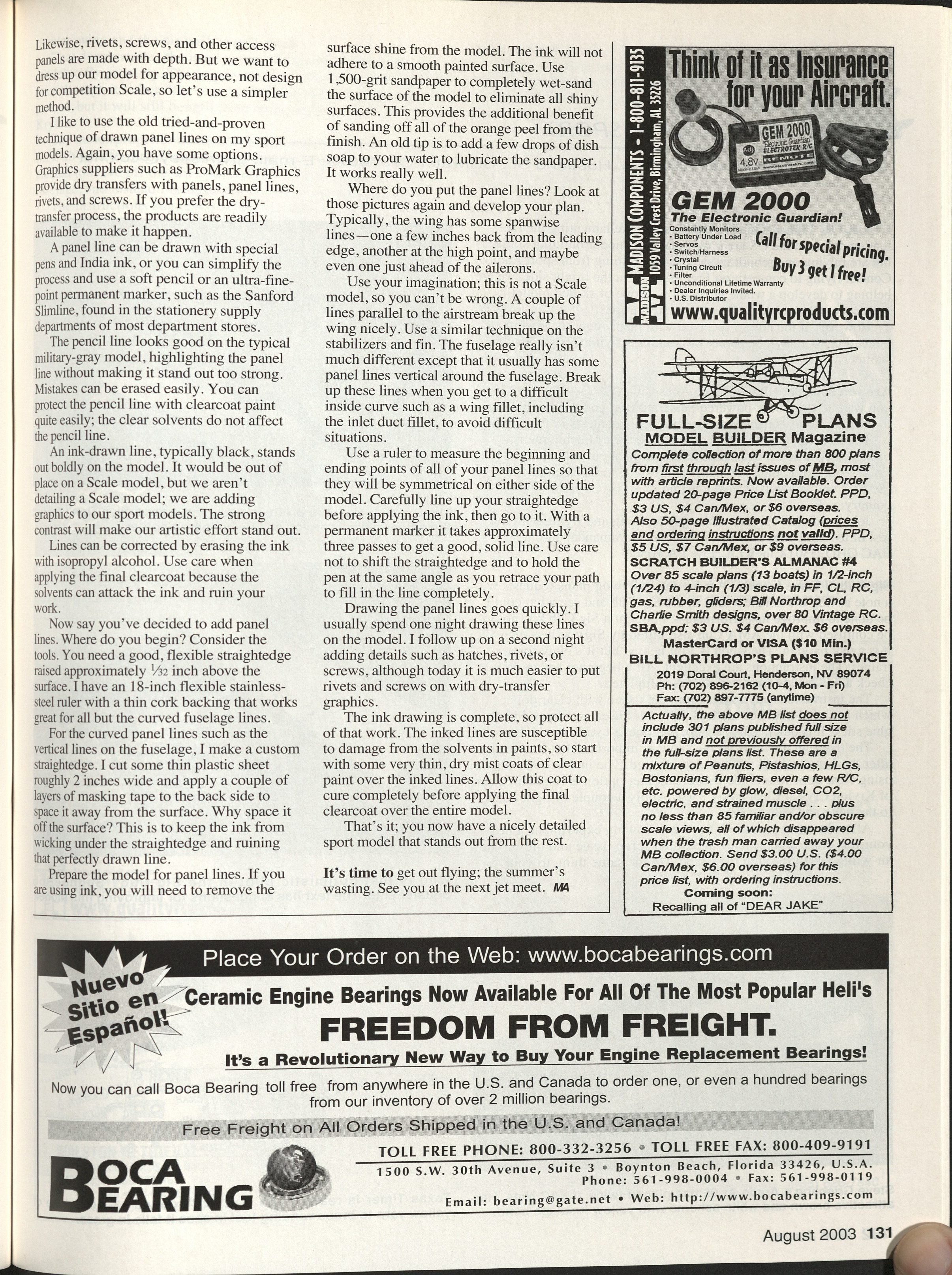
While at Florida Jets earlier this year, I got a firsthand look at some new turbine models on the market.
Jet Model Products — Hustler
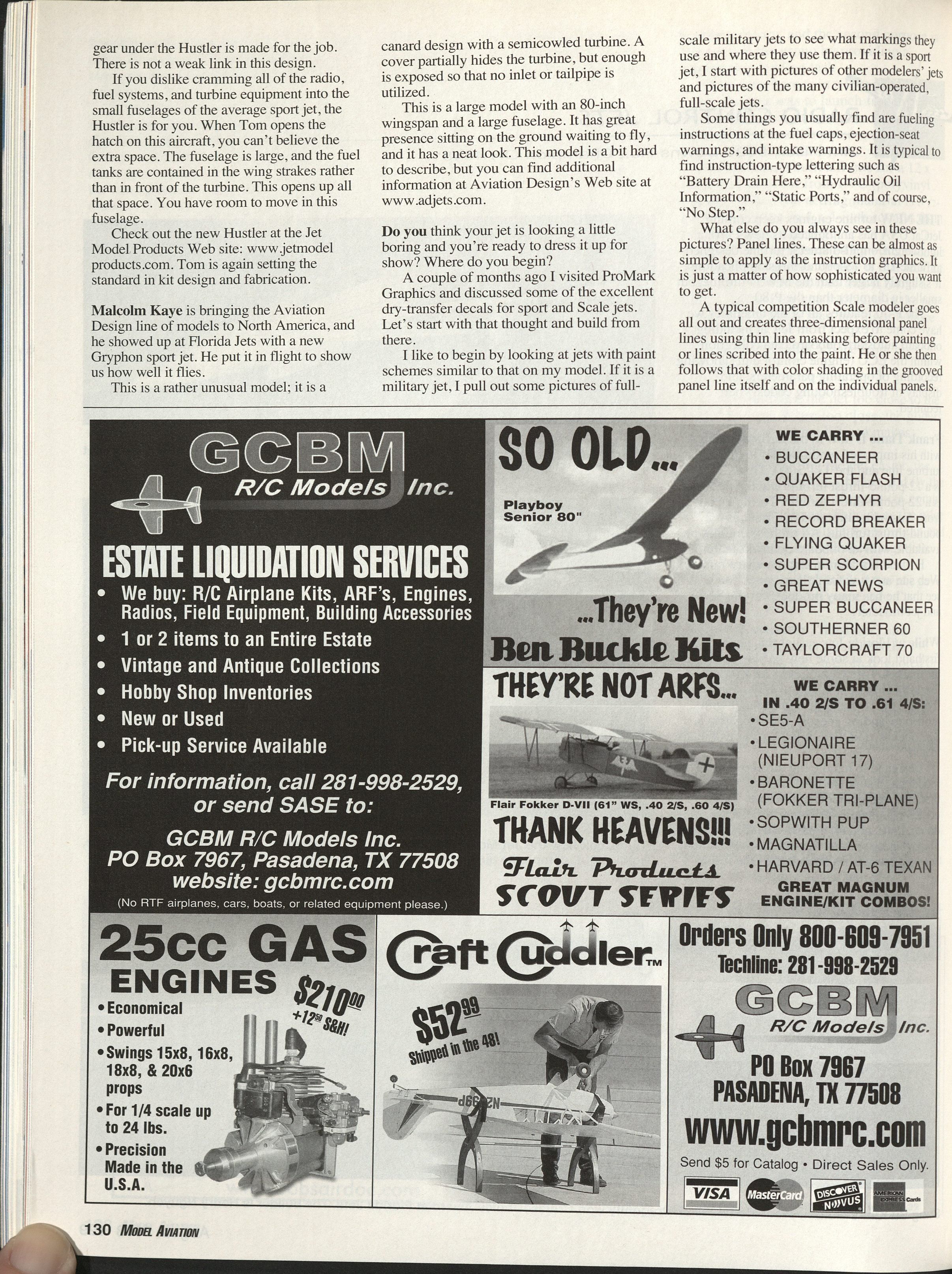
- Tom Cook’s new Jet Model Products Hustler was completely painted and flying.
- Large sport model with moderate landing speeds.
- Wingspan: 81½ inches, with generous wing area.
- Designed to handle big turbine power, featuring a sophisticated, strong prefabricated composite airframe.
- Kit comes complete with composite landing-gear doors, flaps, and all control surfaces.
- Rugged landing-gear systems are a Jet Model Products trademark; the robust gear under the Hustler is made for the job.
- The fuselage is spacious: fuel tanks are contained in the wing strakes rather than in front of the turbine, leaving lots of room in the fuselage.
Check the Hustler at: www.jetmodelproducts.com.
Aviation Design — Gryphon
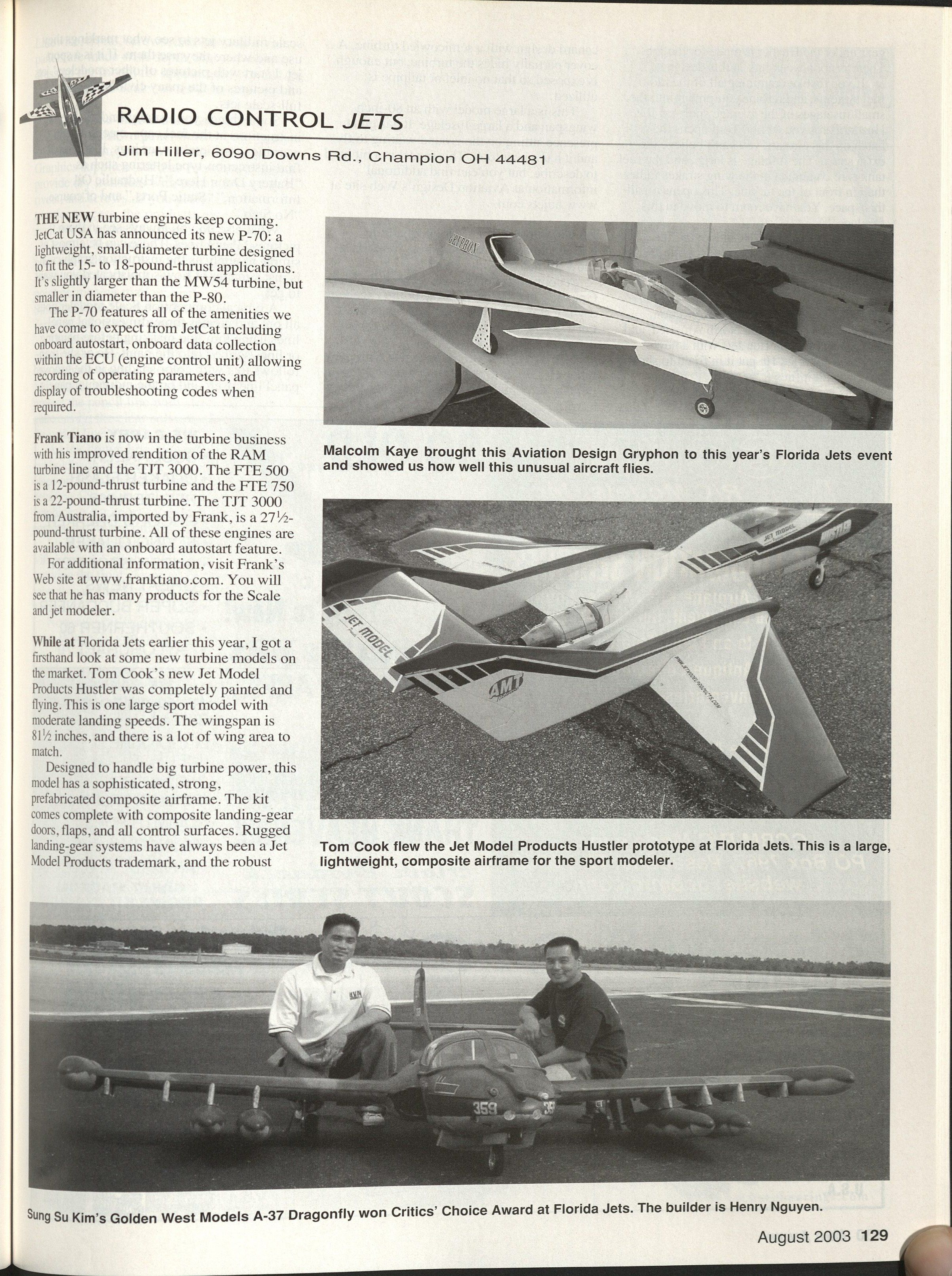
- Malcolm Kaye is bringing the Aviation Design line to North America and showed a new Gryphon sport jet at Florida Jets.
- An unusual canard design with a semicowled turbine; a cover partially hides the turbine while leaving enough exposed so that no inlet or tailpipe is utilized.
- Large model with an 80-inch wingspan and a substantial fuselage, with strong presence on the ground.
More information: www.adjets.com.
Dressing up your jet — graphics and panel lines
Do you think your jet looks a little boring and you’re ready to dress it up for show? Here are some practical tips.
Start with decals and reference photos
- Visit suppliers such as ProMark Graphics for excellent dry-transfer decals for sport and scale jets.
- Look for photos of full-scale jets or other modelers’ jets with paint schemes you like.
- Common markings to include: fueling instructions at fuel caps, ejection-seat warnings, intake warnings, “Battery Drain Here,” “Hydraulic Oil Information,” “Static Ports,” and “No Step.”
Panel lines and detailing — options
- Competition scale modelers create three-dimensional panel lines with masking before painting or scribing into paint, and then shade the grooves. They add rivets, screws, and access panel depth.
- For sport models, a simpler method works well: drawn panel lines.
- Options for drawn panel lines:
- Dry-transfer graphics (panels, panel lines, rivets, screws) from suppliers such as ProMark Graphics.
- Hand-drawn lines using special pens and India ink.
- Simpler approach: soft pencil or an ultra-fine-point permanent marker (e.g., Sanford Slimline).
Ink vs. pencil
- Pencil lines: look good on military-gray models, highlight panel lines without strong contrast, are erasable, and are protected easily with clearcoat (clear solvents do not affect pencil lines).
- Ink lines (black): provide strong contrast and stand out on sport models. Mistakes can be cleaned with isopropyl alcohol, but take care when applying clearcoat because solvents can attack the ink.
Preparing to draw panel lines
- Tools:
- A good, flexible straightedge raised about 1/32 inch above the surface (an 18-inch flexible stainless-steel ruler with a thin cork backing works well).
- For curved fuselage lines, make a custom straightedge from thin plastic sheet about 2 inches wide and add layers of masking tape to the back to space it off the surface. Spacing prevents ink wicking under the straightedge.
- Surface prep for ink:
- Remove surface shine so ink will adhere. Wet-sand the surface with 1,500-grit sandpaper to eliminate shine and orange peel.
- Add a few drops of dish soap to the water to lubricate the sandpaper.
Where to place panel lines
- Study reference photos and develop a plan.
- Typical wing lines: spanwise lines a few inches back from the leading edge, one at the wing’s high point, and perhaps one just ahead of the ailerons.
- Stabilizers and fin: similar spanwise or trailing lines.
- Fuselage: vertical panel lines around the fuselage; break up lines at inside curves (wing fillets, inlet duct fillets) to avoid difficult transitions.
- Use a ruler to measure beginning and ending points so lines are symmetrical on both sides.
Drawing technique
- Carefully align your straightedge before applying the ink.
- With a permanent marker, it may take about three passes to get a solid line; avoid shifting the straightedge and hold the pen at the same angle when retracing.
- I usually draw panel lines in one evening and add details such as hatches, rivets, or screws on a second night. Dry-transfer graphics make rivets and screws much easier today.
Protecting the work
- Inked lines are susceptible to damage from paint solvents.
- Apply very thin, dry mist coats of clear paint over the inked lines first. Allow this to cure completely before applying the final clearcoat over the entire model.
That's it — a nicely detailed sport model that stands out from the rest.
It's time to get out flying; the summer's wasting. See you at the next jet meet. MA
Transcribed from original scans by AI. Minor OCR errors may remain.

